
As one of China's Four Great Classical Novels, Journey to the West holds a significant place in Chinese culture and has influenced global audiences through various forms of film, television, and creative works. This article explores the evolution of Journey to the West from classic literature to modern visual media and recommends several related classic works.
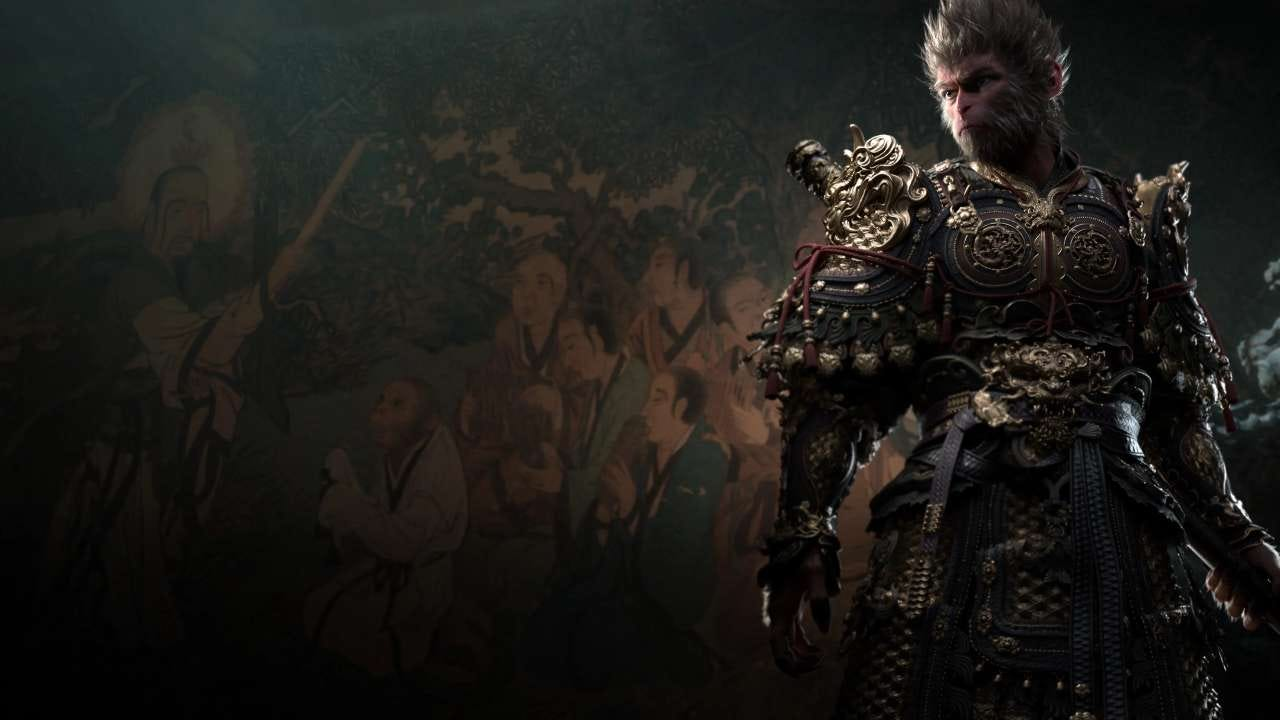
1. 1961 Animated Film Havoc in Heaven: The Essence of Traditional Culture
Havoc in Heaven is a milestone in the history of Chinese animation. This film, based on traditional Chinese ink painting, combines elements of traditional Chinese art and opera to recreate the magnificent scenes of Sun Wukong causing havoc in heaven. The film not only showcases the profound depth of traditional Chinese culture but also introduces the story of Journey to the West to a broader audience, particularly children, through an accessible animated format.
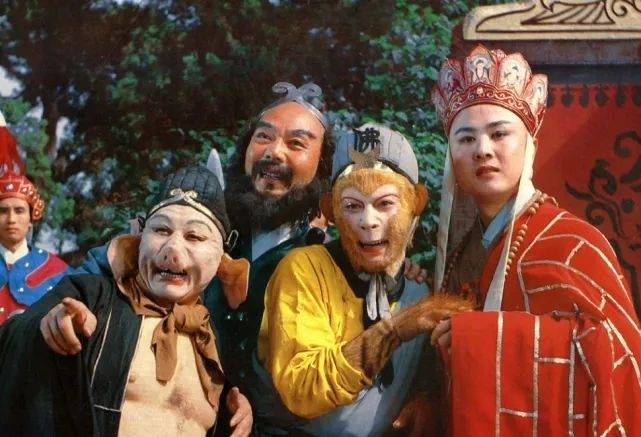
2. 1986 TV Series Journey to the West: A Household Classic
The 1986 TV adaptation of Journey to the West is considered one of the most faithful renditions of the original novel. The series not only stays true to the storyline but also adds depth to the characters' personalities and emotions. The portrayal of Sun Wukong by Liu Xiao Ling Tong is particularly memorable, with his agile movements and vivid expressions leaving a lasting impression on viewers. This series, repeatedly broadcast on CCTV, has become a classic memory for several generations of Chinese audiences.
3. 1995 Film A Chinese Odyssey: A Comedic Deconstruction of Tradition
Stephen Chow's A Chinese Odyssey series offers a unique reinterpretation of Journey to the West with its distinctive "mo lei tau" comedic style. By blending mythology with modern human emotions, the film presents a completely different version of Sun Wukong. The exploration of themes such as love, destiny, and freedom gives Journey to the West a new cultural significance. Although it initially had modest box office success, A Chinese Odyssey has gradually become a classic, now considered a significant work in Hong Kong cinema history.
4. 1998 Animated Series Journey to the West: A Childhood Classic
For those born in the 1980s and 1990s, the 1998 animated version of Journey to the West is an integral part of their childhood memories. This animated series simplifies and adapts the original story, making it more suitable for young audiences. Despite its relatively simple plot, the series successfully ingrained the image of Sun Wukong in the minds of a generation. The theme song "Monkey King" remains popular on various short video platforms, becoming part of nostalgic culture.
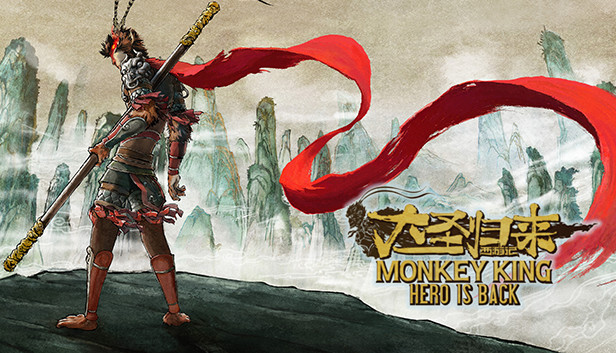
5. 2015 Animated Film Monkey King: Hero is Back: The Cultural Revival of a New Era
Monkey King: Hero is Back, hailed as a "revival of Chinese animated films," uses modern animation techniques to present the ancient hero Sun Wukong in a fresh way. With its exquisite visuals, touching storyline, and compelling character development, this film not only attracted a large young audience but also garnered international acclaim. It has reintroduced Sun Wukong to the post-2000 and post-2010 generations and showcased the immense potential of Chinese animated films.
6. Japanese Manga Dragon Ball: Cross-Cultural Influence
Akira Toriyama's Dragon Ball has not only been a massive success in Japan but also has a vast global fanbase. While Dragon Ball eventually developed its own independent storyline, the early design of its protagonist, Goku, was clearly inspired by Sun Wukong from Journey to the West. Elements such as the magic staff and the flying cloud were reimagined in Dragon Ball, giving Sun Wukong's image new life in different cultural contexts.
Expansion and Reflection: The Globalization and Cultural Re-Creation of Journey to the West
Journey to the West holds an indispensable position in Chinese culture and has also reached global audiences through various cultural products. From traditional Chinese animation to modern film and television, from classic TV series to cross-cultural manga, the story and characters of Journey to the West have been continuously reinterpreted and recreated, demonstrating their adaptability and vitality in different cultural contexts.
As globalization progresses, Journey to the West, this Eastern classic, has gradually integrated into the global cultural mainstream. Through diverse forms of expression such as film, literature, and animation, Sun Wukong and his story have been widely disseminated and accepted worldwide. This not only affirms the cultural value of Journey to the West but also provides valuable insights into how traditional culture can be inherited and innovated in a modern context.
Conclusion: From Classic to Future Heritage
The story of Journey to the West has endured for centuries, continuing to exhibit a powerful vitality. It is not only a symbol of Chinese culture but also an example of how traditional culture can be continually innovated and developed in a modern multicultural environment. Through the diverse interpretations in visual media, Journey to the West continues to influence generations of audiences around the world in a way that is both familiar and fresh. With the advancement of technology and the deepening of cultural exchanges, we may see more new works based on the story of Journey to the West in the future, which will continue to extend the cultural influence of this classic.