
Artificial Intelligence (AI) has become an essential part of modern life, offering significant advancements across various domains. From enhancing efficiency to providing innovative solutions in complex fields, AI's influence is substantial. However, as its capabilities expand, so do the associated risks. Understanding these aspects is crucial for leveraging AI's benefits while mitigating its potential downsides.
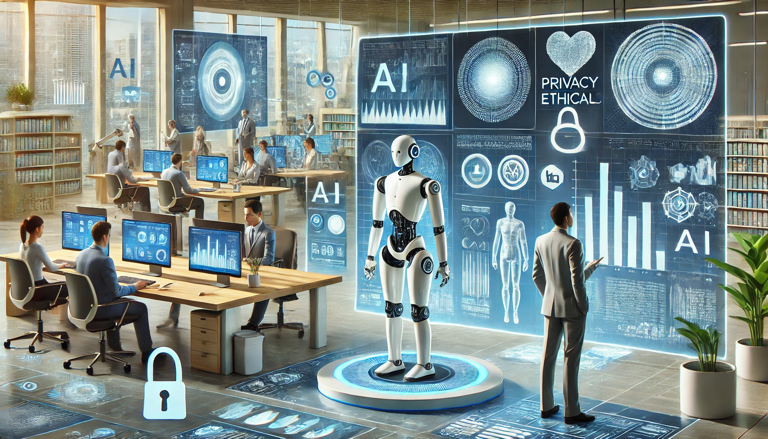
Capabilities of Modern AI
1. Automation and Efficiency: AI automates repetitive tasks, increasing productivity and reducing human error. This is evident in industries like manufacturing, where AI-driven robots handle assembly lines with precision and speed.
2. Healthcare Advancements: AI revolutionizes healthcare through applications in diagnostics, personalized treatments, and predictive analytics. AI algorithms can analyze medical images with higher accuracy than human doctors, leading to early disease detection and better patient outcomes.
3. Enhanced Customer Service: AI-powered chatbots and virtual assistants provide instant, round-the-clock customer support, continuously improving their performance through learning from interactions.
4. Data Analysis and Insights: AI processes and analyzes vast amounts of data, uncovering patterns and insights that might be missed by humans. This capability is invaluable in finance, marketing, and scientific research.
5. Transportation Innovations: Autonomous vehicles guided by AI promise safer and more efficient transportation solutions. Companies like Tesla and Waymo lead the development of self-driving technology.
6. Personalized Experiences: AI enables personalized experiences in various services, from tailored recommendations on streaming platforms to customized shopping suggestions.
Risks of Modern AI
1. Job Displacement: AI's automation of tasks poses a risk of job displacement, particularly in industries reliant on repetitive tasks.
2. Bias and Discrimination: AI systems can perpetuate existing biases present in their training data, leading to unfair treatment in areas like hiring and lending.
3. Privacy Concerns: The extensive data collection required for AI raises significant privacy issues, with potential for surveillance and misuse of personal information.
4. Security Threats: AI can be exploited for malicious purposes, such as creating deepfakes or conducting sophisticated cyber-attacks.
5. Ethical Dilemmas: The deployment of AI raises ethical questions about accountability, decision-making, and the potential for AI to operate beyond human control.
6. Dependence and Reliability: Over-reliance on AI systems can lead to significant issues if these systems fail or produce incorrect results.
Balancing AI's Potential and Risks
To harness AI's benefits while mitigating its risks, a balanced approach is necessary. This includes regulatory oversight, transparency, and accountability, as well as privacy protections and ethical AI development. Education and reskilling programs can help prepare the workforce for an AI-driven future, ensuring that technological advancements benefit all segments of society.