
In recent years, discussions about smart cars have been on the rise in the tech world, especially after Xiaomi successfully launched its first car in just three years, drawing widespread attention. On the other hand, the highly anticipated Apple car project has quietly faded away after years of development. Why have these two tech giants faced such different fates in the automotive field? Let’s dive into the reasons behind this.
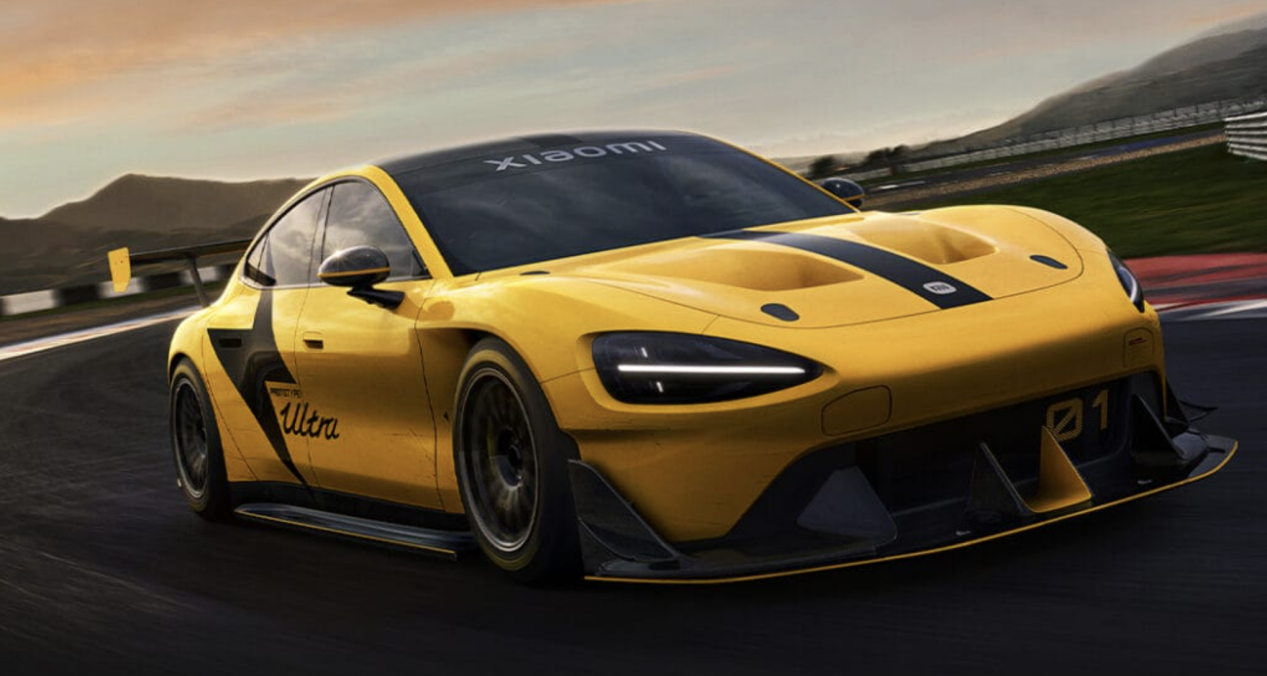
Xiaomi’s success in the smartphone market can largely be attributed to its rapid iteration and efficient execution culture. This culture extended to its car project, where Xiaomi, through close cooperation with traditional car manufacturers, leveraged existing technology and supply chain resources to swiftly transition from development to market. In contrast, Apple is known for its pursuit of perfection in design and innovation, which means that the company invests a lot of time and resources in developing any new product, striving for perfection in every detail. However, it was this high standard that caused Apple to falter when faced with the complex technical challenges of the car project.
In the process of manufacturing cars, Xiaomi chose a more pragmatic path. They fully utilized existing technology platforms, integrated resources, and quickly responded to market demand to bring products to market at an impressive speed. Apple, on the other hand, attempted to innovate comprehensively in both hardware and software, aiming to create a high-end product capable of disrupting the market. However, these innovation demands brought enormous technical challenges, especially in core areas such as battery technology and autonomous driving systems. The challenges Apple faced were far more complex than anticipated. Despite having a strong technical team, the project progress became extremely slow, even stalling in certain aspects.
Moreover, differences in market strategy were key factors in the divergent outcomes of the two companies' car projects. Xiaomi, known for its high cost-effectiveness, quickly launched products to seize market opportunities and gradually optimized them to meet consumer needs. In contrast, Apple has always positioned itself in the high-end market, trying to attract consumers with superior design and innovative technology. However, entering the high-end market comes with high entry barriers, and combined with Apple's high standards, the company missed the optimal timing for project development. In the end, not only did Apple fail to meet market expectations, but the product never officially launched.
Another critical factor not to be overlooked is the influence of the external environment. Xiaomi received strong support from policies and capital in the Chinese domestic market, providing a solid foundation for the rapid advancement of its car project. Apple, on the other hand, faced a more complex policy environment in the global market, particularly with legal and regulatory constraints in multiple countries and regions, making project advancement more difficult. Additionally, internal management issues within Apple also contributed to the project's eventual failure. Multiple team reorganizations and high-level changes led to unclear project direction, and the instability in management further delayed the project's progress.
In summary, the differing outcomes of Xiaomi and Apple in their car projects reflect the differences in their strategic execution and reveal deeper reasons involving corporate culture, technical challenges, market strategies, and more. Xiaomi successfully established a foothold in the automotive field with its flexible strategy and rapid market response capability, while Apple, due to its excessive pursuit of perfection and innovation, failed to overcome complex technical challenges. This reality also reminds us that in the high-tech field, speed and innovation are equally important. Companies need to find the best balance between the two to stay competitive in the intense market.