
Every year when Apple releases a new iPhone, users face a common question: is it worth upgrading to the latest model? The 2024 iPhone 16 series brings several new features, but how does it compare to the iPhone 15 series? In this article, we’ll take a closer look at the differences between the iPhone 16 and iPhone 15 series to help you make an informed decision.
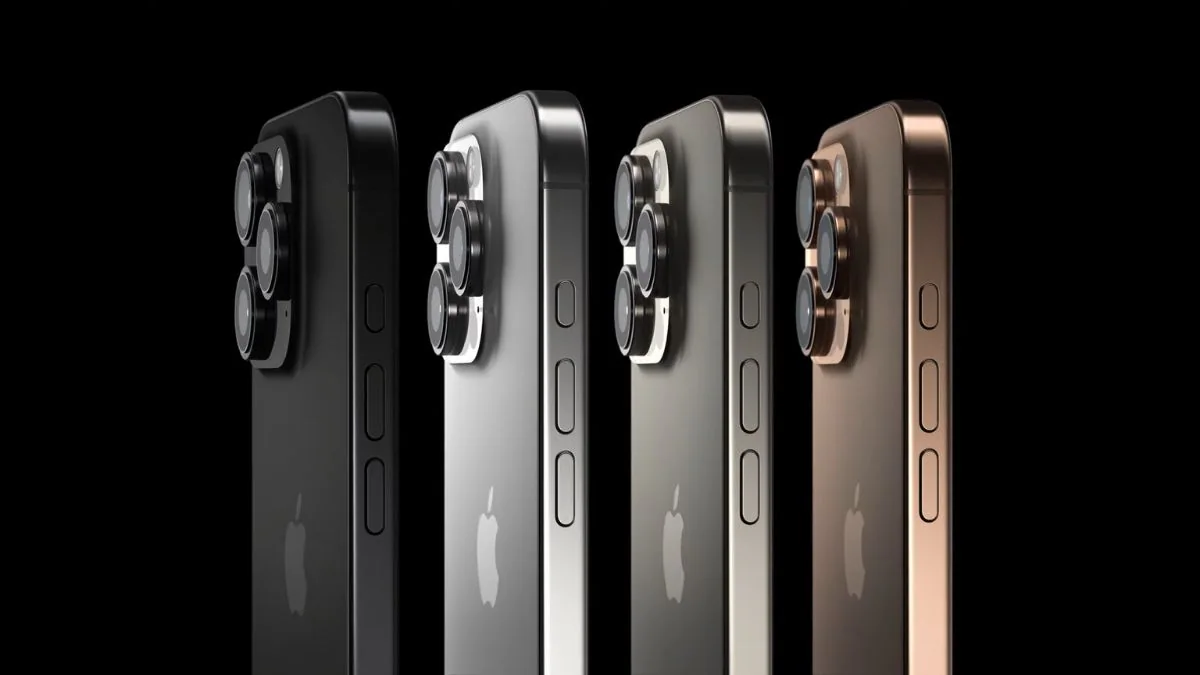
1. Design and Appearance
iPhone 15 Series: The iPhone 15 series continues the design language from the iPhone 14 series, with familiar aluminum frames and Ceramic Shield front panels. The four models come in two sizes: 6.1 inches (iPhone 15 and 15 Pro) and 6.7 inches (iPhone 15 Plus and 15 Pro Max). The iPhone 15 Pro series features titanium frames, which make the device lighter and more durable.
iPhone 16 Series: The iPhone 16 series carries forward Apple’s classic design style but with narrower bezels, especially on the Pro models, offering a higher screen-to-body ratio. The Pro series still uses titanium frames and introduces more fashionable color options. The camera module has also been slightly adjusted for a more integrated look.
Verdict: While the design changes in the iPhone 16 series are subtle, the thinner bezels and new color options may appeal to those who prioritize aesthetics. If you’re into sleek designs and improved screen real estate, the iPhone 16’s design upgrade might win you over.
2. Display and Screen Technology
iPhone 15 Series: The iPhone 15 Pro series is equipped with 120Hz ProMotion OLED displays, offering excellent color accuracy and brightness, even in outdoor conditions. However, the standard iPhone 15 and 15 Plus still maintain a 60Hz refresh rate.
iPhone 16 Series: The iPhone 16 series improves on display technology, especially for the Pro models, which adopt the latest micro-LED technology, delivering crisper visuals and enhanced brightness, particularly for HDR content. Additionally, the standard iPhone 16 models now feature a 90Hz refresh rate, resulting in a smoother user experience.
Verdict: The iPhone 16 series offers noticeable improvements in display quality, particularly with the Pro models featuring micro-LED. If you value display performance and smoother visuals, the iPhone 16 is a solid choice.
3. Performance Comparison
iPhone 15 Series: The iPhone 15 Pro and Pro Max are powered by the A17 Bionic chip, built on a 3nm process, delivering powerful performance, especially in graphics processing and AI tasks. The standard iPhone 15 and 15 Plus continue to use the A16 Bionic, which is still very capable in day-to-day usage.
iPhone 16 Series: The entire iPhone 16 series is powered by the latest A18 Bionic chip, based on an even more advanced 3nm+ process. Compared to the A17, the A18 brings improvements in both performance and power efficiency, making tasks like gaming and multitasking even smoother.
Verdict: For power users or those frequently engaged in heavy tasks (e.g., video editing, gaming), the A18 Bionic chip in the iPhone 16 offers a significant performance boost. However, for the average user, the A17 in the iPhone 15 remains more than sufficient.
4. Camera System
iPhone 15 Series: The iPhone 15 Pro Max introduced the first-ever periscope lens in an iPhone, offering 5x optical zoom. The other models stick to the traditional triple-camera system, delivering outstanding photo quality, especially in low-light conditions. The Dynamic Island feature also enhances the photography experience.
iPhone 16 Series: The iPhone 16 Pro series takes the camera system even further, upgrading the main camera to 48MP. Additionally, the periscope lens on the Pro Max supports longer optical zoom (up to 6x). Night mode and AI computational photography have also seen improvements, resulting in clearer and more detailed images.
Verdict: If photography is a priority, especially for long-distance or night shots, the camera upgrades in the iPhone 16 series will definitely catch your eye. However, the iPhone 15’s camera performance is still excellent and should meet the needs of most users.
5. Battery Life and Charging
iPhone 15 Series: The iPhone 15 series offers decent battery life, with the Pro Max delivering the longest runtime, easily lasting a full day of use. In terms of charging, all models support MagSafe wireless charging and fast wired charging, although the speed is not groundbreaking.
iPhone 16 Series: With the improved power efficiency of the A18 chip and larger battery capacities, the iPhone 16 series delivers even better battery life, especially the Pro Max, which can handle heavy usage throughout the day. Additionally, charging speeds have slightly improved, especially with the switch to USB-C, which also enhances data transfer speeds.
Verdict: If battery life and faster charging are high on your list, the iPhone 16 series is worth considering. However, the iPhone 15’s battery life is still adequate for most users.
6. Conclusion: Is It Worth Upgrading?
If you already own an iPhone 15, whether or not to upgrade to the iPhone 16 depends on your specific needs:
- If you seek better performance, improved camera capabilities, and superior display quality, the iPhone 16 series is a worthwhile upgrade, especially for the Pro models.
- If you’re a casual user and are satisfied with your iPhone 15’s performance, the changes in the iPhone 16 may not be compelling enough to justify an upgrade.
For those still using older iPhones, the iPhone 16 series represents a significant upgrade. Its new design, powerful performance, and advanced camera system will provide a substantial boost. If your current device is slowing down or struggling with battery life, the iPhone 16 series is an ideal choice.